The phrase "investment property" has done a lot of damage to the way people talk about Miami real estate. It suggests a transaction that is entirely financial — a spreadsheet decision, a yield calculation, an asset allocation line item. In practice, the Miami investment buyer in 2026 is rarely a pure investor. They are someone who wants a residence in Miami for themselves, wants the residence to earn income during the months they are not using it, and wants the earning to cover carry, taxes, and some meaningful portion of the mortgage. This is not investment in the classical sense. It is ownership with income.
The two factors that determine whether a residence can be owned this way are the building's rental policy and the neighborhood's rental demand. Parkside is designed to satisfy both. The building is explicitly approved for short-term rentals. Rental restrictions — the minimum-term rules that prevent true short-stay leasing in most Miami condominiums — do not apply here. The neighborhood is Brickell, which has, by a clear margin, the highest year-round short-term rental demand of any residential submarket in Miami-Dade.
Why most Miami buildings cannot do this
The short-term rental market in Miami is large, but the inventory that can legally serve it is constrained. Most condominium associations in the city impose minimum-lease restrictions, typically in the range of six or twelve months, sometimes longer. The rationale is reasonable: boards generally want a building full of residents, not a building full of weekly visitors, and the majority of owners share that preference. The effect, though, is to separate the Miami condo market into two very different inventories — buildings that can be rented weekly, and buildings that cannot.
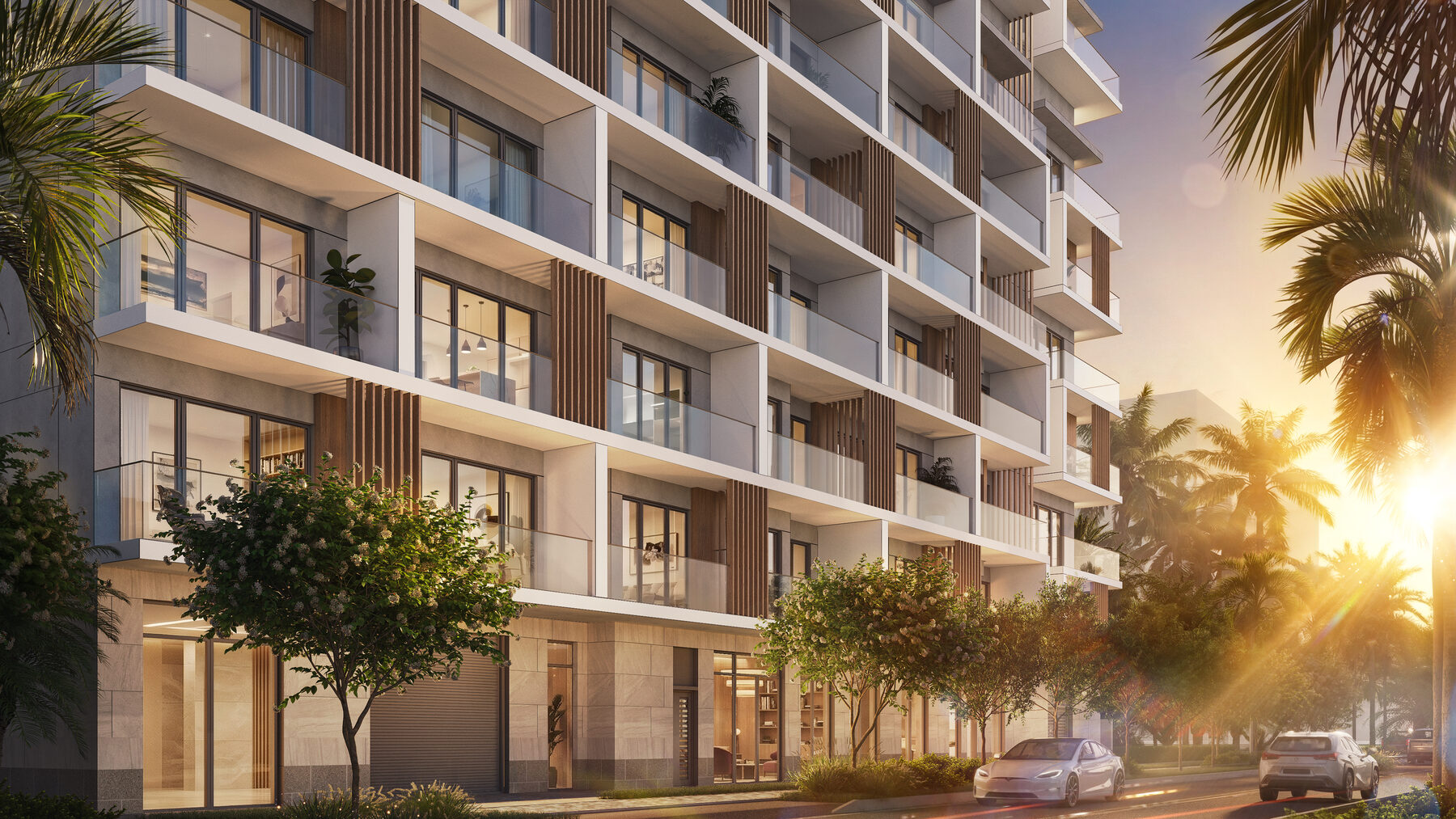
The weekly-rental inventory is small. It is concentrated in a handful of specific buildings in Brickell, Downtown, Edgewater, and Miami Beach, and in a modest but growing set of newer buildings specifically designed for the short-term market. Parkside sits in that second group — designed from the beginning to permit flexible stays, with a unit mix (studios, studios with den, two-bedrooms) and a finish package (furnished, Italkraft, Bosch, Kohler) specifically suited to short-stay guests.
"Ownership with income is the dominant investment thesis in Brickell right now. It is not a speculation. It is a structural response to how people actually want to live."— Editorial reading of the current buyer profile
What the Brickell short-term market looks like
Brickell has emerged as Miami's strongest short-term rental submarket for several overlapping reasons. The first is proximity: it is walkable to Downtown, a short drive to Miami Beach, twelve minutes from Miami International Airport, and directly connected via Brightline to Fort Lauderdale, West Palm Beach, and Orlando. The second is guest profile: Brickell draws a business-and-leisure mix — visiting executives, international families, wellness travelers, and increasingly, remote workers on two-to-six-week stays. The third is the neighborhood itself: walkability, restaurants, amenities, and the Metromover transit network reduce the guest's need for a rental car, which shapes a more reliable and higher-yielding rental profile than the typical beach property.
Occupancy rates in well-run Brickell short-term rental residences have, in recent years, consistently exceeded 75 percent on an annual basis, with significant peaks during the winter high season (December through April) and again during the summer international travel window. Average daily rates vary by unit type, but furnished studios and one-bedrooms in comparable Brickell buildings have generally transacted in the $180 to $320 range, with premium two-bedroom layouts and high-floor residences achieving higher points.
Why furnished delivery matters
A Brickell residence that is permitted for short-term rental but delivered unfurnished is a problem. The furnishing budget — for a studio — typically runs between $35,000 and $55,000 when a buyer commissions it through an interior designer, and between $18,000 and $28,000 when the buyer self-manages. The time cost is six to twelve weeks. The operational cost is meaningful: every day the residence is not rentable is a day it is not generating income.
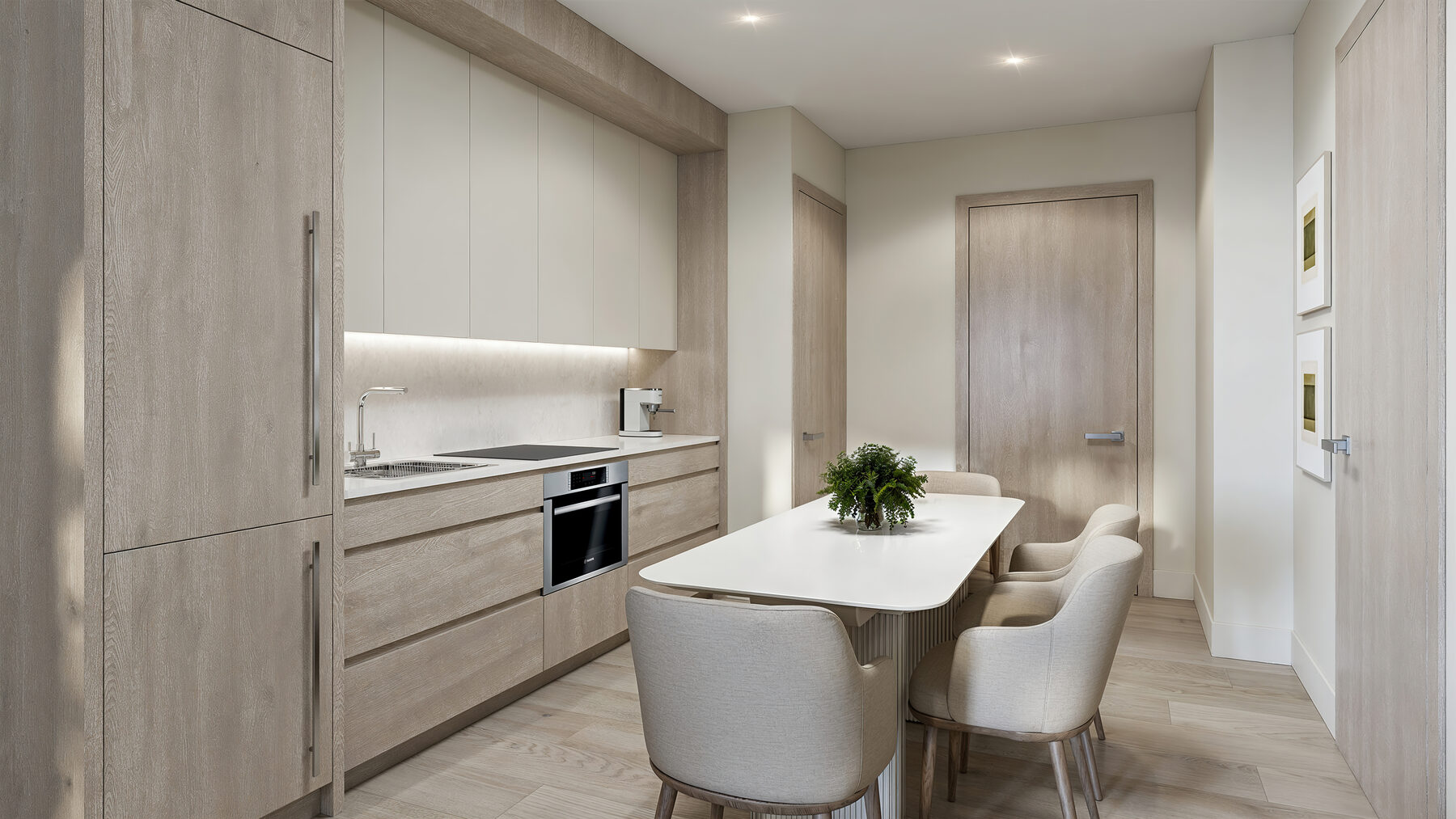
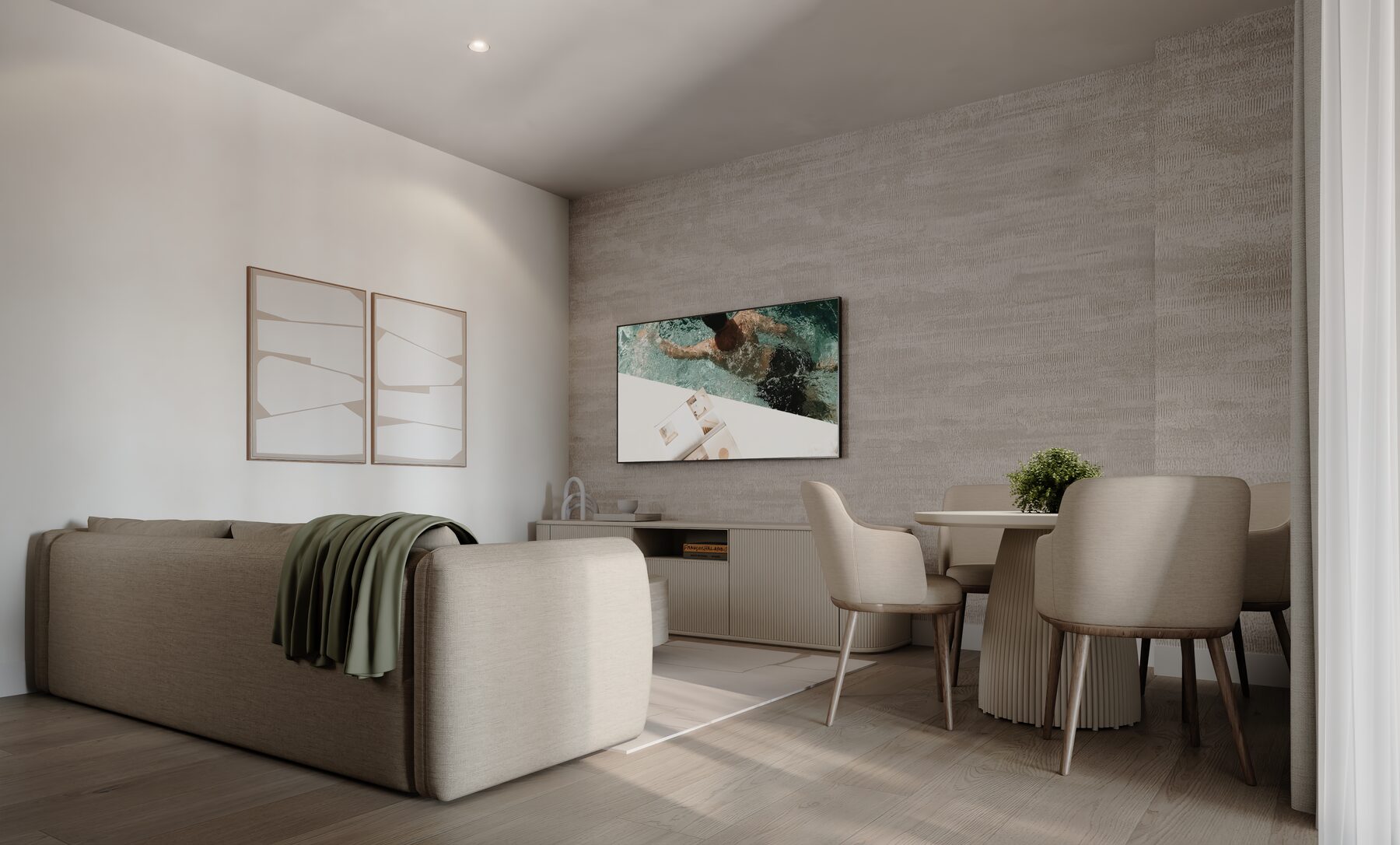
Parkside solves this in advance. Every residence is delivered furnished, with a modern furniture package installed. The buyer does not budget for furnishings. The buyer does not commission a designer. The buyer does not wait twelve weeks. The residence can go live on the short-stay platform of the owner's choice within days of closing, not months. For a buyer whose investment thesis depends on time-to-income, this is not a small detail.
The amenity premium
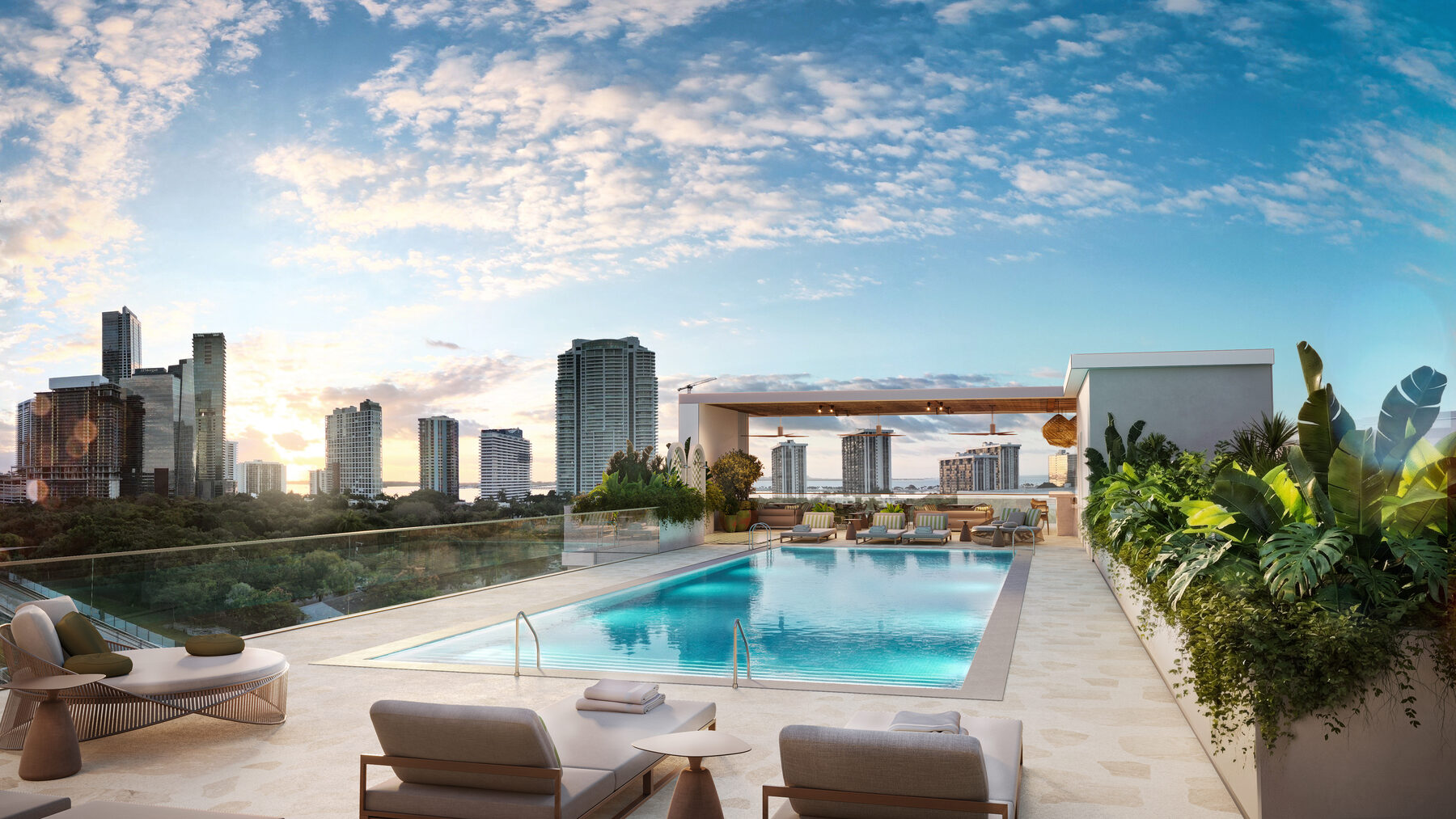
Short-stay guests pay a meaningful premium for amenities. A pool is baseline. A rooftop pool with a bar and BBQ kitchen is a booking driver. A full Technogym gym, a cycling studio, a yoga room, and a spa circuit with sauna, steam, and plunges are an entire set of amenities that the short-term guest does not need to pay separately for during their stay. The amenity package at Parkside — rooftop pool, rooftop bar, BBQ kitchen, zen garden, spa, Technogym fitness, coworking lounge, 24-hour concierge and valet — is effectively a private club included in the rental listing.
This translates directly into per-night rate power. Comparable Brickell buildings with similar amenity depth command, in the current market, 20 to 35 percent rate premiums over buildings with baseline pool-and-gym amenities. The amenity spend is not a cost to the owner. It is a rate-setter.
A framework for thinking about this
For buyers evaluating Parkside as a residence with income, a reasonable framework considers the following variables:
- Usage pattern. How many weeks per year will the owner use the residence personally? A buyer who uses the residence eight weeks a year has meaningfully different economics from a buyer who uses it thirty.
- Floor plan selection. Studios and studios with den tend to have the highest occupancy but lower per-night rates. Two-bedrooms produce higher nightly rates and attract family travelers, but occupancy is typically lower. The right plan depends on the owner's use case.
- Management approach. Self-managed short-term rental properties yield more, but require the owner to handle turnovers, pricing, and guest communication. Professionally-managed properties give up 15 to 25 percent of gross rent but require no owner involvement.
- Carry costs. HOA fees, property taxes, insurance, management, and platform fees should all be modeled against expected gross. The residual is the income the owner is actually targeting.
- Deposit schedule. Parkside's deposit schedule — 20% at contract, 10% at 90 days, 10% at top-off, 60% at closing — is structured to allow the buyer to time their capital against construction milestones rather than front-load it.
None of these variables is exotic. They are the standard questions a thoughtful buyer should be asking of any short-term rental residence. What makes Parkside interesting is that the building is positioned to produce a favorable answer to each of them: a neighborhood with genuine demand, a rental policy that permits short stays, a finish package that shortens time-to-income, and an amenity program that supports rate-setting power.
The conclusion
The short-term rental case for Brickell in 2026 is not a speculation about future demand. The demand is already in the data. It is, instead, a question of inventory: which specific buildings can legally and practically serve that demand with a minimum of owner friction. The list of such buildings in Brickell is not long. Parkside is on it.
For a buyer whose thesis is ownership-with-income — a residence used personally for part of the year and rented for the balance — Parkside was designed with that thesis in view. For a buyer whose thesis is purely personal use, the rental permission is simply optionality: it is there if you want it, and it does not cost you anything if you do not.
That is, in the end, the quieter argument. Parkside does not force an investment thesis. It accommodates one. That is the useful thing about it.
 Neighborhood · 7 min read
 Availability